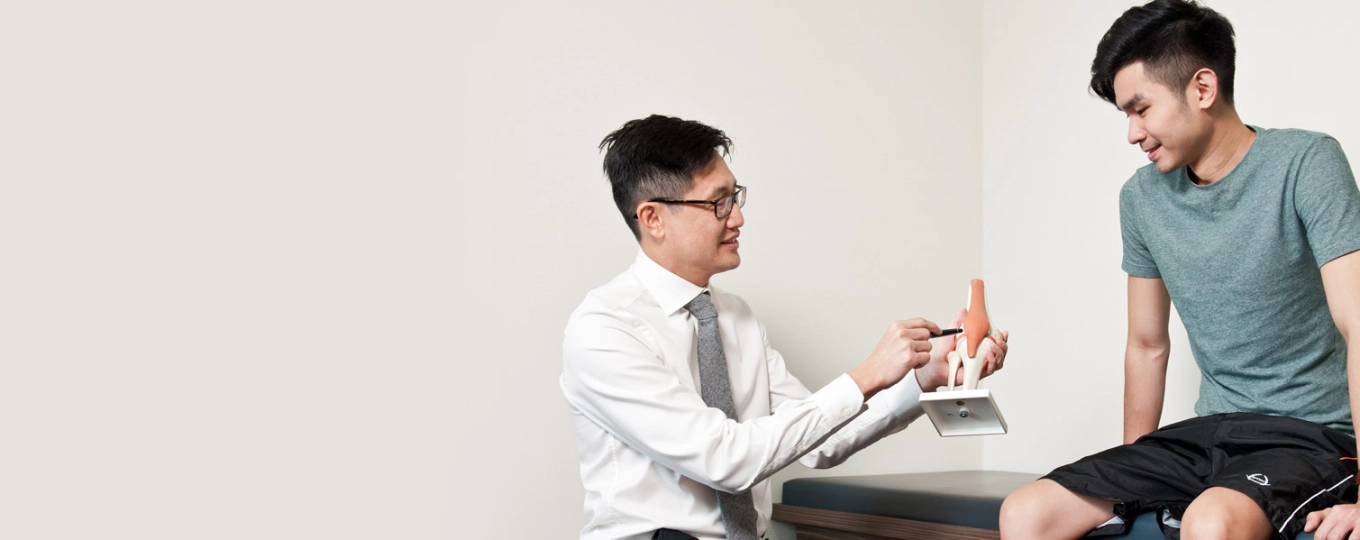
Cartilage is the smooth tissue that covers the ends of bones within a joint, helping them move smoothly and absorb impact. When cartilage becomes damaged, movement may become painful or restricted and, over time, may contribute to joint degeneration.
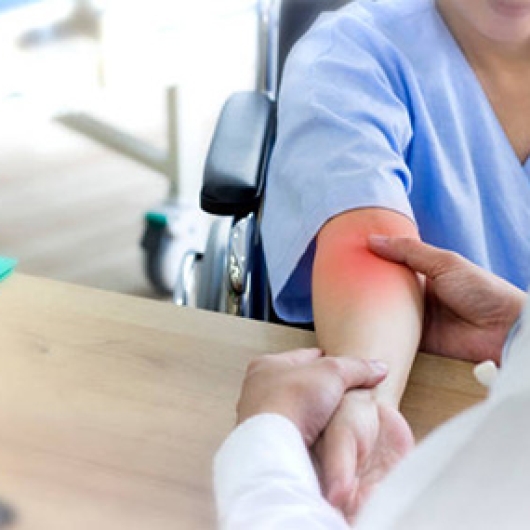
Conditions Associated with Cartilage Damage
Cartilage problems can develop following an injury, repetitive stress, sports activity or gradual joint degeneration.
Conditions and concerns may include:
- Cartilage Damage
- Cartilage Injuries
- Osteoarthritis
- Joint Degeneration
- Osteochondral Injuries
- Bone and Joint Abnormalities
- Sports-Related Cartilage Injuries
Assessment, Tests & Care options
Depending on your condition, assessment and treatment may include:
- Physical Examination
- X-rays
- MRI
- Other Imaging Tests Where Appropriate
- Activity Modification
- Physiotherapy & Rehabilitation
- Medication
- Injections Where Appropriate
- Cartilage Repair Procedures
- Cartilage Restoration or Regeneration Procedures
- Surgery Where Required
Not every cartilage injury requires surgery. Your specialist will discuss the available treatment options based on your individual condition.
When Should You See a Cartilage Specialist?
You may wish to seek specialist advice if you:
- Have persistent joint pain following an injury
- Experience swelling or stiffness around a joint
- Have pain during sports or physical activity
- Notice clicking, catching or locking of a joint
- Experience reduced joint movement
- Have recurring joint symptoms
- Have been diagnosed with cartilage damage
- Have an injury that has not improved with rest or rehabilitation
Common Questions
Cartilage is a smooth, durable tissue that covers the ends of bones within joints. It helps reduce friction and allows joints to move smoothly.
Cartilage can become damaged through sports injuries, trauma, repetitive stress, abnormal joint mechanics or gradual wear associated with ageing and osteoarthritis.
Cartilage has limited ability to heal naturally because it has a limited blood supply. Whether treatment is required depends on the location, size and severity of the damage.
This depends on the location and severity of the injury. Your specialist can advise which activities are appropriate and how to modify your exercise while the joint recovers.
Our Specialist
Dr Derrick Oh
Consultant Orthopaedic Surgeon Dr. Derrick Oh is trained in two sub-specialities, sports and trauma surgery and possesses dual accreditation in Sports Medicine and Orthopaedic Surgery. He also specialises in cartilage regeneration, knee and shoulder replacement surgery.
Dr Gowreeson Thevendran
Consultant Orthopaedic & Trauma Surgeon Dr. Gowreeson Thevendran is a Consultant Orthopaedic & Trauma Surgeon with a sub specialty interest in the lower limb – foot and ankle, knees and hip conditions. He is a UK-trained orthopaedic surgeon with dual-fellowship accreditation from Vancouver, Canada (foot & ankle ), London, United Kingdom ( sports surgery ) and Liverpool, United Kingdom ( complex trauma ). He is also extensively published and continues to collaborate for clinical research whilst lecturing in regional and international postgraduate meetings.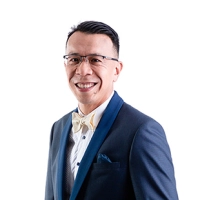
Dr Lai Kah Weng
Consultant Orthopaedic Surgeon Dr. Lai Kah Weng is a former Flight Surgeon, Aviation Medicine, Republic of Singapore Airforce. He specialises in sports injuries of the knee, shoulder, ankle and hip joints as well as osteoarthritis of the knee and hip joints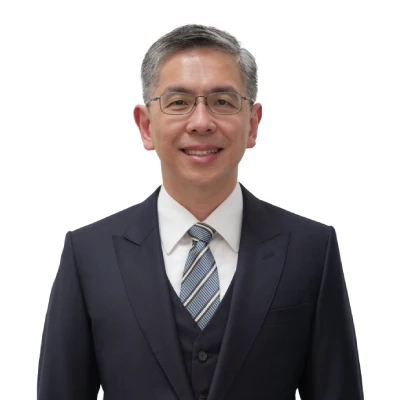
Dr Leon Foo
Consultant Orthopaedic Surgeon Dr. Leon Foo specialises in orthopaedic oncology, including bone and soft tissue tumours. He also does limb preserving surgery for bone and soft tissue tumours and reconstruction using graft implants.