
Specialist Care for Bone, Joint and Musculoskeletal Conditions
Orthopaedic conditions can affect your bones, joints, muscles, tendons and ligaments, sometimes making everyday activities such as walking, working, exercising or getting around more difficult.
General orthopaedic care focuses on assessing a wide range of musculoskeletal conditions and injuries, from joint pain and arthritis to fractures, sprains and soft tissue injuries.
Book an AppointmentWHAT WE CARE FOR
Common Orthopaedic Conditions
Orthopaedic assessment may be helpful when pain, stiffness, weakness or an injury affects your movement or activities of daily living.
Common conditions and concerns include:
- Arthritis & Osteoarthritis
- Bone & Joint Injuries
- Fractures
- Joint Pain
- Ligament Injuries
- Muscle Injuries
- Overuse Injuries
- Soft Tissue Injuries
- Sprains & Strains
- Tendon Injuries
- Cartilage Injuries
Assessment, Tests & Care Options
Understanding the Cause of Your Symptoms
Your specialist will consider your symptoms, medical history, lifestyle and do a physical examination when assessing your condition.
Depending on your symptoms, assessment and care may include:
- Physical Examination
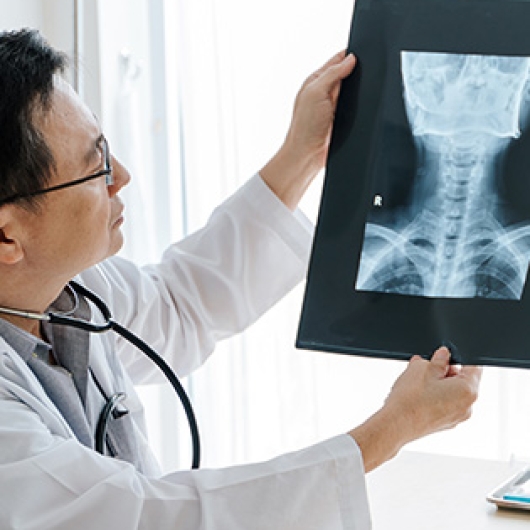
- X-rays
- Ultrasound
- MRI
- CT Scans
- Medication
- Activity Modification
- Bracing or Supports
- Physiotherapy & Rehabilitation
- Injections Where Appropriate
- Minimally Invasive Procedures
- Surgical Treatment
When to consider specialist advice
You may wish to seek specialist advice if you:
- Have persistent bone or joint pain
- Experience ongoing stiffness or reduced movement
- Have difficulty walking or using a limb normally
- Develop swelling around a joint
- Experience repeated joint instability
- Have pain that affects exercise, work or daily activities
- Have an injury that has not improved with rest
- Have a suspected fracture
- Experience pain following a sports or physical activity injury
Following a significant injury, seek prompt medical attention if you have severe pain, significant swelling, an obvious deformity, numbness or difficulty moving the affected limb.
Common Questions
Not necessarily. Many orthopaedic conditions can be managed with non-surgical treatments such as rehabilitation, medication, activity modification or other conservative approaches.
General orthopaedics covers a broad range of conditions affecting the bones, joints, muscles, tendons, ligaments and other structures involved in movement.
Consider seeking specialist advice if joint pain persists, worsens or begins to affect your movement, sleep, work, exercise or everyday activities.
Not necessarily. The need for imaging depends on your symptoms and clinical examination. Your specialist will determine whether an X-ray, MRI, ultrasound, CT scan or other investigation is appropriate to enable a diagnosis to be made.
Our Specialist
Dr Benedict Peng
Consultant Orthopaedic Surgeon (Spine) Dr. Benedict Peng specialises in spine and neck surgery. He is experienced in motion preservation surgery and minimally invasive spine surgery and procedures.
Dr Chong Kian Chun
Consultant Orthopaedic Surgeon Dr. Chong Kian Chun specialises in arthroscopy procedures involving the ankle, knee and shoulder. He is also experienced in handling patients with sports injuries including tennis elbow and tendon repairs.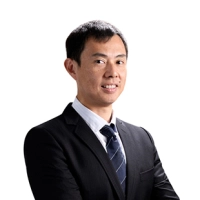
Dr Derrick Oh
Consultant Orthopaedic Surgeon Dr. Derrick Oh is trained in two sub-specialities, sports and trauma surgery and possesses dual accreditation in Sports Medicine and Orthopaedic Surgery. He also specialises in cartilage regeneration, knee and shoulder replacement surgery.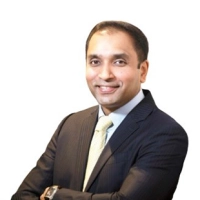
Dr Gowreeson Thevendran
Consultant Orthopaedic & Trauma Surgeon Dr. Gowreeson Thevendran is a Consultant Orthopaedic & Trauma Surgeon with a sub specialty interest in the lower limb – foot and ankle, knees and hip conditions. He is a UK-trained orthopaedic surgeon with dual-fellowship accreditation from Vancouver, Canada (foot & ankle ), London, United Kingdom ( sports surgery ) and Liverpool, United Kingdom ( complex trauma ). He is also extensively published and continues to collaborate for clinical research whilst lecturing in regional and international postgraduate meetings.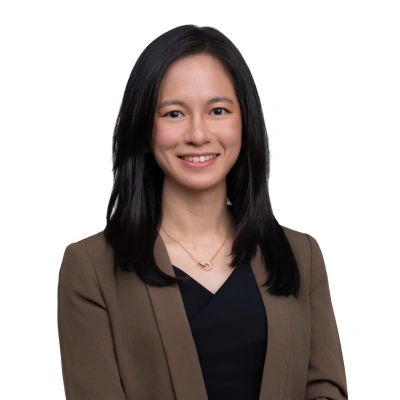
Dr Janice Liao Chin-Yi(廖晉儀)
Senior Consultant Hand Surgeon Dr Janice Liao is a Senior Consultant Hand Surgeon with a subspecialty focus on hand and wrist injuries, compressive neuropathy and degenerative conditions including trigger finger, ganglion and osteoarthritis.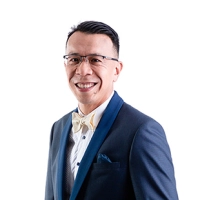
Dr Lai Kah Weng
Consultant Orthopaedic Surgeon Dr. Lai Kah Weng is a former Flight Surgeon, Aviation Medicine, Republic of Singapore Airforce. He specialises in sports injuries of the knee, shoulder, ankle and hip joints as well as osteoarthritis of the knee and hip joints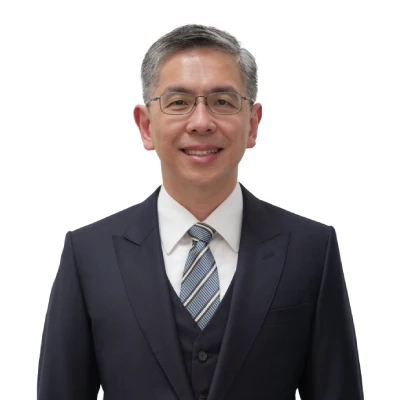
Dr Leon Foo
Consultant Orthopaedic Surgeon Dr. Leon Foo specialises in orthopaedic oncology, including bone and soft tissue tumours. He also does limb preserving surgery for bone and soft tissue tumours and reconstruction using graft implants.