
Specialist Care for Sports & Exercise Injuries
Staying active is an important part of a healthy lifestyle, but sports and exercise can sometimes lead to injuries affecting the muscles, joints, bones, tendons and ligaments. From acute injuries to recurring pain and overuse conditions, our approach focuses on identifying the underlying problem and developing a treatment plan suited to your activity level, recovery goals and lifestyle.

Common Sports & Exercise Injuries
Our specialists assess and treat conditions including:
- Ankle Sprains
- Anterior Cruciate Ligament (ACL) Injuries
- Golfer’s Elbow
- Groin Strains
- Hamstring Strains
- Knee Injuries
- Meniscus Tears
- Muscle Strains
- Overuse Injuries
- Running-Related Injuries
- Shoulder Injuries
- Shin Splints
- Sports-Related Fractures
- Tendon Injuries
- Tennis Elbow
Assessment, Tests & Care options
Your specialist will assess your symptoms, how the injury occurred, movement, strength and activity level. Depending on your condition, care may include:
- Physical examination and functional assessment
- X-rays, ultrasound, MRI or CT scans
- Activity modification and medication
- Bracing or supports
- Physiotherapy and rehabilitation
- Injections where appropriate
- Minimally invasive procedures
- Surgery where required
Your treatment plan will depend on the type and severity of your injury, your activity level and your individual recovery goals.
When Should You See a Sports Medicine Specialist?
You may wish to seek specialist advice if you:
- Have pain that persists after exercise or activity
- Experience repeated sports injuries
- Notice swelling around a joint
- Hear or feel a "pop" during an injury
- Have difficulty putting weight on a leg
- Experience joint instability or your joint gives way
- Have reduced strength or range of movement
- Cannot return to your usual sport or exercise
- Have an injury that has not improved with rest and rehabilitation
Common Questions
Sports medicine specialists assess and manage injuries and conditions related to sports and physical activity, including ligament injuries, muscle strains, tendon problems, fractures and overuse injuries.
Recovery varies depending on the type and severity of the injury, your overall health and the treatment and rehabilitation required. Your specialist can provide a more personalised recovery plan after assessment.
If exercise causes pain or worsens your symptoms, you should modify or stop the activity until the injury has been assessed. Your specialist can advise when and how to safely return to exercise.
While injuries cannot always be prevented, appropriate warm-ups, strength training and conditioning, gradual increases in training load, proper technique and adequate recovery may help reduce injury risk.
Sports medicine focuses on the prevention, diagnosis, treatment and rehabilitation of sports and exercise-related conditions. Orthopaedic surgeons are medical specialists who can also perform surgical treatment when an injury requires an operation. Depending on your condition, you may benefit from either or both types of care.
This depends on the type and severity of your injury. Returning too quickly may increase the risk of aggravating an injury, so your specialist can advise on appropriate activity levels and return-to-sport progression.
Our Specialist
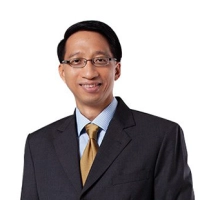
Dr Chong Kian Chun
Consultant Orthopaedic Surgeon Dr. Chong Kian Chun specialises in arthroscopy procedures involving the ankle, knee and shoulder. He is also experienced in handling patients with sports injuries including tennis elbow and tendon repairs.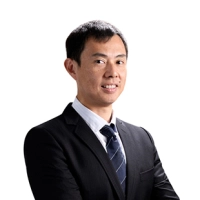
Dr Derrick Oh
Consultant Orthopaedic Surgeon Dr. Derrick Oh is trained in two sub-specialities, sports and trauma surgery and possesses dual accreditation in Sports Medicine and Orthopaedic Surgery. He also specialises in cartilage regeneration, knee and shoulder replacement surgery.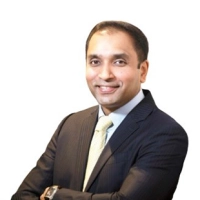
Dr Gowreeson Thevendran
Consultant Orthopaedic & Trauma Surgeon Dr. Gowreeson Thevendran is a Consultant Orthopaedic & Trauma Surgeon with a sub specialty interest in the lower limb – foot and ankle, knees and hip conditions. He is a UK-trained orthopaedic surgeon with dual-fellowship accreditation from Vancouver, Canada (foot & ankle ), London, United Kingdom ( sports surgery ) and Liverpool, United Kingdom ( complex trauma ). He is also extensively published and continues to collaborate for clinical research whilst lecturing in regional and international postgraduate meetings.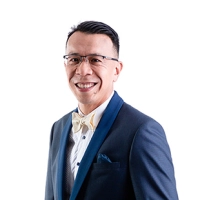
Dr Lai Kah Weng
Consultant Orthopaedic Surgeon Dr. Lai Kah Weng is a former Flight Surgeon, Aviation Medicine, Republic of Singapore Airforce. He specialises in sports injuries of the knee, shoulder, ankle and hip joints as well as osteoarthritis of the knee and hip joints