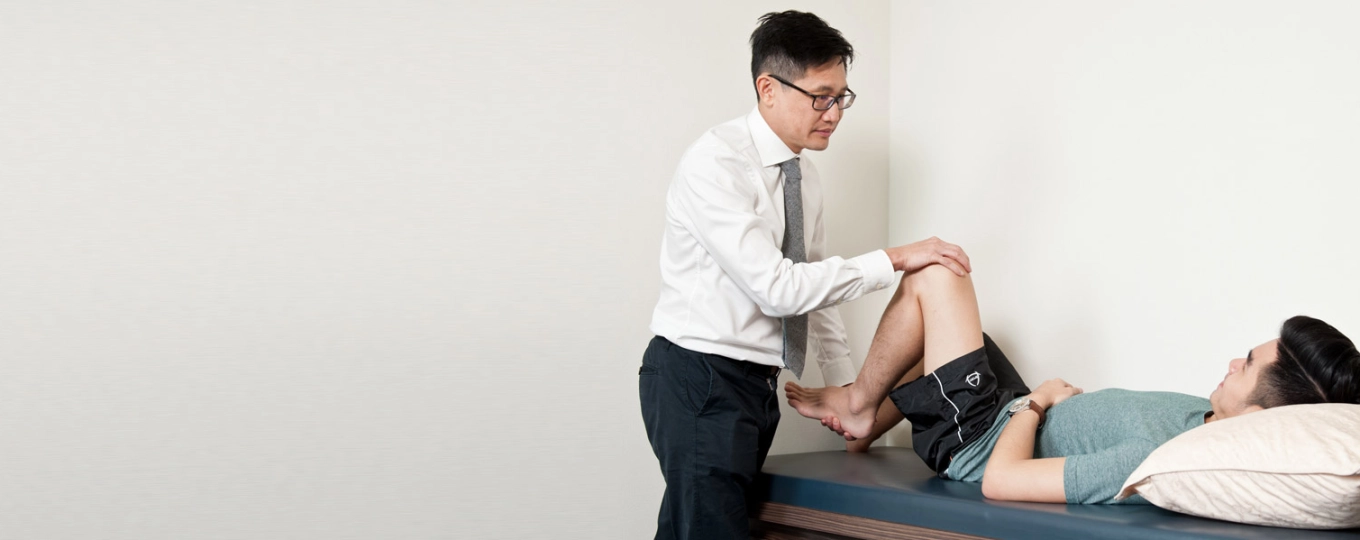
Your knees play an important role in almost everything you do, from walking and climbing stairs to running, exercising and staying active. Knee pain can develop suddenly after an injury or gradually over time, and persistent symptoms can affect your movement and quality of life.
Whether you have recently injured your knee, are experiencing ongoing pain or require surgery, our specialists will work with you to understand the cause of your symptoms and develop a treatment plan suited to your needs.
Common Knee Conditions
Knee problems can affect people of all ages and may result from sports and physical activity, an injury, overuse, ageing or changes within the joint.
Our knee specialists assess and treat conditions including:
- Baker’s Cyst
- Cartilage Injuries
- Chondromalacia Patella
- Knee Bursitis
- Knee Ligament Injuries
- Knee Osteoarthritis
- Meniscus Tears
- Osgood-Schlatter Disease
- Patellar Tendonitis
- Plica Syndrome
- Shin Splints
- Osteochondritis Dissecans
Assessment, Tests & Care options
Knee pain can have many possible causes, and an accurate diagnosis is an important first step towards appropriate treatment. Your specialist will assess your symptoms, medical history, activity levels and knee function before recommending further investigations where necessary.
Depending on your condition, assessment may include:
- Physical Examination
- X-rays
- Ultrasound
- MRI
- CT Scan
- Gait and Movement Assessment
Treatment is tailored to the underlying condition and may include:
- Activity Modification
- Medication
- Bracing or Knee Supports
- Physiotherapy & Rehabilitation
- Injections, Where Appropriate
- Arthroscopy
- Cartilage Repair or Regeneration Procedures
- Ligament Reconstruction
- Meniscus Repair
- Osteotomy
- Partial Knee Replacement
- Total Knee Replacement
Not every knee condition requires surgery. Where appropriate, your specialist will discuss non-surgical options before considering an operation.
When Should You See a Knee Specialist?
You may benefit from a knee assessment if you:
- Have persistent knee pain
- Experience swelling or stiffness around the knee
- Have difficulty bending or straightening your knee
- Feel that your knee is unstable or gives way
- Experience clicking, catching or locking
- Have pain when walking, running or climbing stairs
- Have an injury that has not improved with rest
- Have recurring knee injuries
- Experience pain that limits sports or other activities
Following a significant injury, seek prompt medical attention if you have severe pain, substantial swelling, an obvious deformity or are unable to bear weight on the affected leg.
Book an AppointmentCommon Questions
Consider seeing a knee specialist if your pain persists, keeps returning, affects your movement or does not improve with rest and other initial treatment.
No. Many knee conditions can be managed with non-surgical treatments such as physiotherapy, medication, activity modification, bracing or injections. Surgery may be considered when appropriate for the underlying condition.
Knee pain can result from injuries to the ligaments, meniscus, cartilage or tendons, as well as conditions such as osteoarthritis, bursitis and other problems affecting the knee joint.
Not necessarily. Your specialist will determine whether an X-ray, MRI, ultrasound, CT scan or other investigation is appropriate based on your symptoms and clinical examination.
It depends on the cause and severity of your knee pain. Your specialist can advise on appropriate activities and rehabilitation while your knee recovers.
Our Specialist
Dr Benedict Peng
Consultant Orthopaedic Surgeon (Spine) Dr. Benedict Peng specialises in spine and neck surgery. He is experienced in motion preservation surgery and minimally invasive spine surgery and procedures.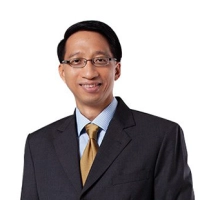
Dr Chong Kian Chun
Consultant Orthopaedic Surgeon Dr. Chong Kian Chun specialises in arthroscopy procedures involving the ankle, knee and shoulder. He is also experienced in handling patients with sports injuries including tennis elbow and tendon repairs.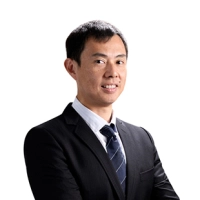
Dr Derrick Oh
Consultant Orthopaedic Surgeon Dr. Derrick Oh is trained in two sub-specialities, sports and trauma surgery and possesses dual accreditation in Sports Medicine and Orthopaedic Surgery. He also specialises in cartilage regeneration, knee and shoulder replacement surgery.
Dr Gowreeson Thevendran
Consultant Orthopaedic & Trauma Surgeon Dr. Gowreeson Thevendran is a Consultant Orthopaedic & Trauma Surgeon with a sub specialty interest in the lower limb – foot and ankle, knees and hip conditions. He is a UK-trained orthopaedic surgeon with dual-fellowship accreditation from Vancouver, Canada (foot & ankle ), London, United Kingdom ( sports surgery ) and Liverpool, United Kingdom ( complex trauma ). He is also extensively published and continues to collaborate for clinical research whilst lecturing in regional and international postgraduate meetings.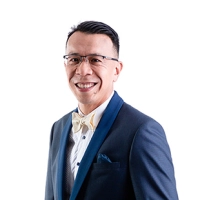
Dr Lai Kah Weng
Consultant Orthopaedic Surgeon Dr. Lai Kah Weng is a former Flight Surgeon, Aviation Medicine, Republic of Singapore Airforce. He specialises in sports injuries of the knee, shoulder, ankle and hip joints as well as osteoarthritis of the knee and hip joints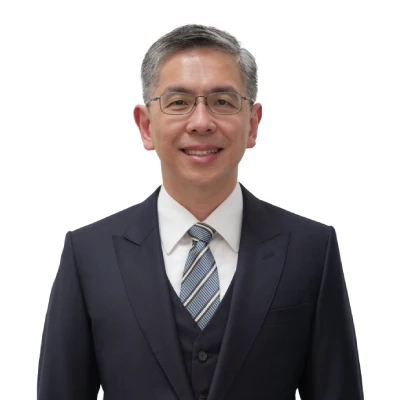
Dr Leon Foo
Consultant Orthopaedic Surgeon Dr. Leon Foo specialises in orthopaedic oncology, including bone and soft tissue tumours. He also does limb preserving surgery for bone and soft tissue tumours and reconstruction using graft implants.