Key Takeaways:
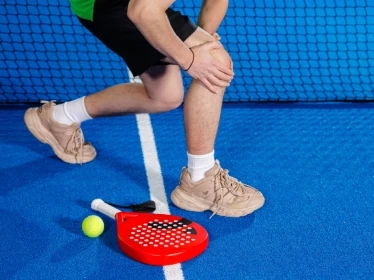
- ACL injuries and meniscus tears often occur together, particularly during sports involving sudden twisting, pivoting, or changes in direction.
- Common symptoms include a popping sensation, immediate swelling, knee pain, instability, and difficulty walking.
- Rehabilitation is just as important as surgery. Recovery involves restoring strength, stability, and confidence before safely returning to sports.
- If you experience persistent knee pain, swelling, or instability after an injury, seek prompt medical assessment to prevent further joint damage and improve long-term outcomes.
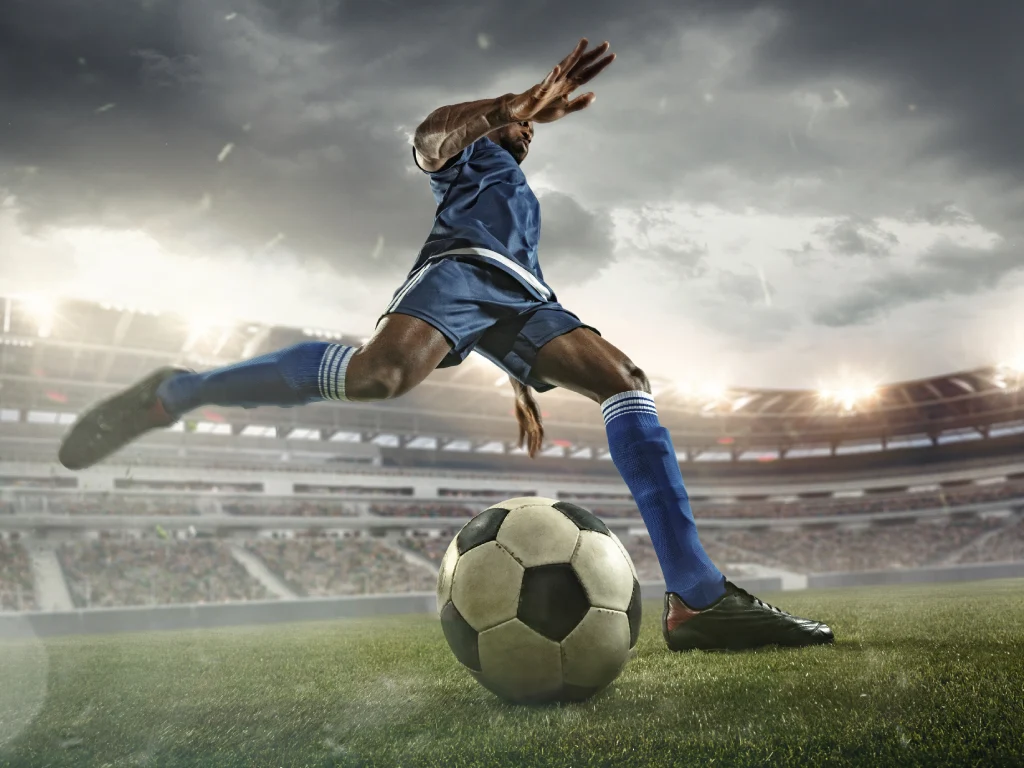
ACL (Anterior Cruciate Ligament) and meniscus injuries are among the most serious knee injuries an athlete can face, often requiring months of treatment and rehabilitation before a safe return to sport is possible. One recent example is Brazilian football star Neymar, whose ruptured anterior cruciate ligament (ACL) and meniscus tear kept him out of international football for an extended period.
While many fans focused on when Neymar would return to the pitch, his recovery highlights an important reality: healing from an ACL and meniscus injury takes far more than surgery alone. Rebuilding knee strength, restoring stability, regaining confidence, and gradually returning to high-impact movements are all essential steps in the recovery process.
The same principle applies whether you're a professional footballer or someone who enjoys weekend football, badminton, or running. Understanding why recovery takes time could help protect your own knee health.
What injury did Neymar suffer from?
In October 2023, Neymar injured his left knee while playing for Brazil in a FIFA World Cup qualifier against Uruguay. Medical assessments confirmed that he had a torn anterior cruciate (ACL) and a meniscus tear.
He subsequently underwent surgery followed by months of rehabilitation before returning to competitive football.
Although elite athletes often have access to extensive medical support, the principles of recovery remain similar for everyone: protecting the knee, restoring strength, improving stability, and returning to activity progressively.
What is an ACL Injury?
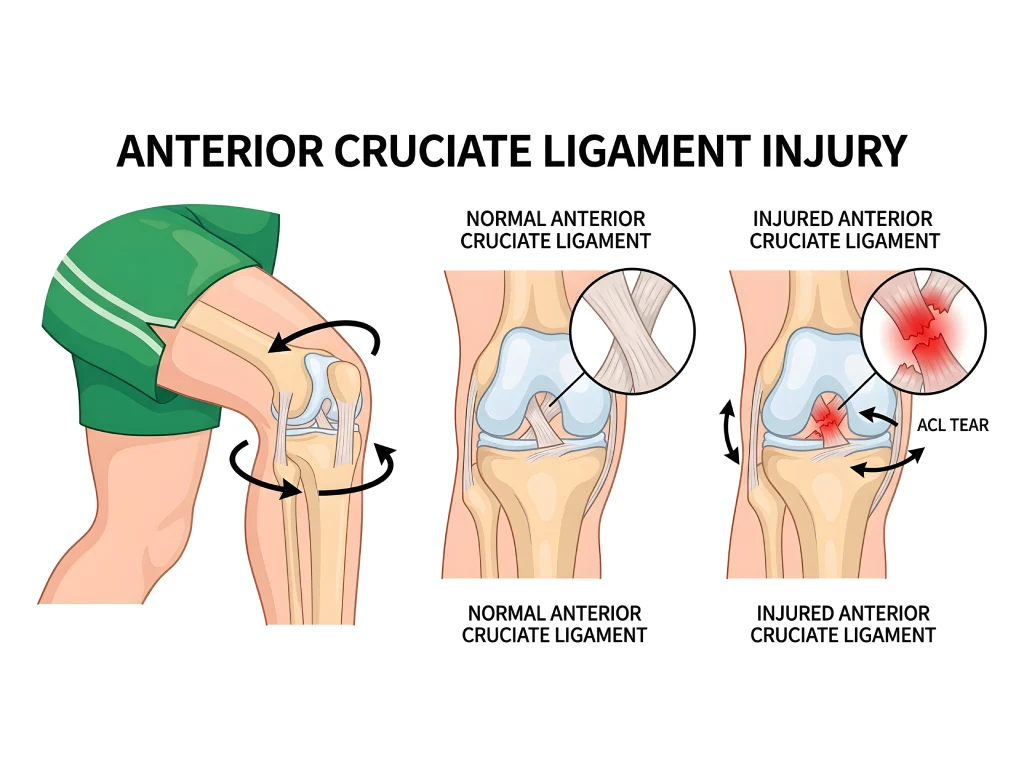
The anterior cruciate ligament (ACL) is one of the major ligaments that stabilises the knee. It helps prevent the shin bone from moving excessively forward and provides rotational stability during movements such as pivoting, jumping, or sudden changes in direction.
ACL injuries commonly occur in sports including:
- Football
- Basketball
- Tennis
- Rugby
- Skiing
Many people describe hearing or feeling a "pop" at the moment of injury, followed by rapid swelling. They may also experience a sensation of the knee "giving way" and have difficulty bearing weight.
What is a meniscus tear?
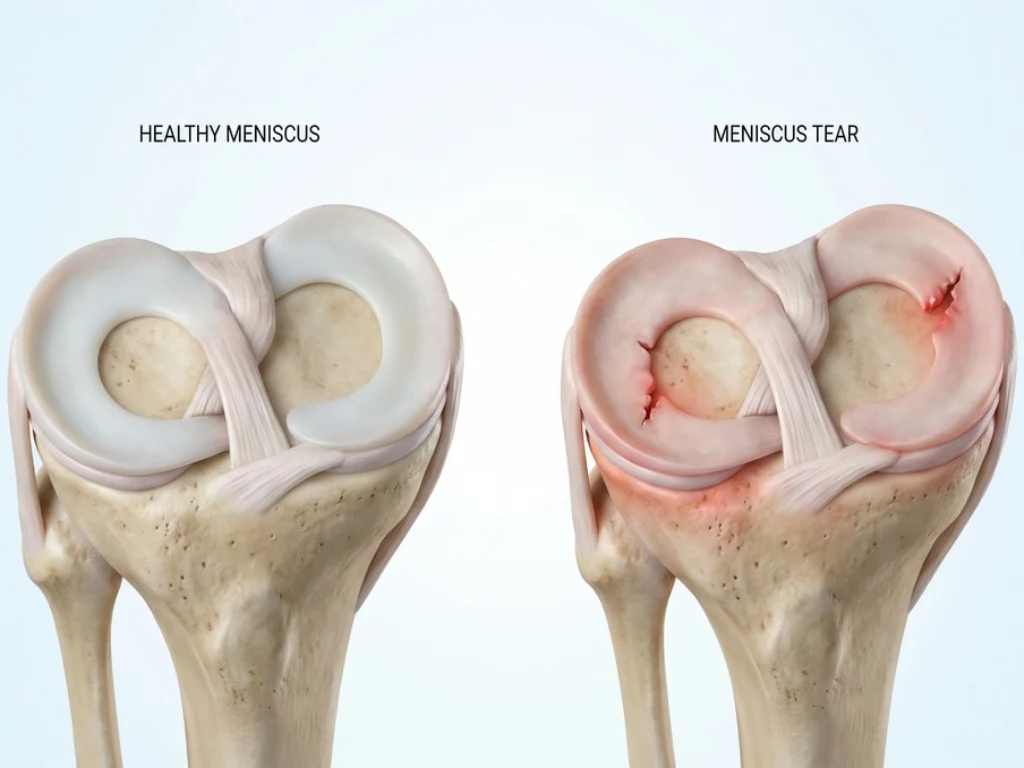
The meniscus is often described as the knee's natural shock absorber.
Each knee contains two crescent-shaped pieces of cartilage that cushion the joint whenever you walk, run or jump.
Its functions include:
- Cushioning the knee joint
- Distributing body weight evenly
- Improving joint stability
- Protecting the cartilage from excessive wear
A meniscus tear may occur during the same twisting injury that damages the ACL, making the combination relatively common in sports injuries.
Why do ACL and meniscus injuries often happen together?
When the knee twists forcefully during activities such as tackling, landing awkwardly, or rapidly changing direction, tremendous forces pass through the joint.
The ACL may rupture while the meniscus is simultaneously compressed and torn.
Studies have shown that a significant proportion of ACL injuries are accompanied by damage to the meniscus or other knee structures, which may increase recovery time and the risk of future osteoarthritis if left untreated.
Common symptoms
Symptoms vary depending on the severity of the injury but may include:
- A popping sensation during injury
- Immediate swelling
- Knee pain
- Instability or the feeling that the knee may "give way"
- Difficulty walking
- Reduced range of motion
- Locking or catching of the knee (more common with meniscus tears)
If these symptoms occur after a sporting injury, prompt medical assessment is recommended.
Does every ACL tear require surgery?
The answer is not always.
Treatment depends on factors including:
- Your age
- Activity level
- Occupation
- Knee stability
- Associated injuries
- Personal goals
Someone who enjoys gentle walking may not require surgery.
A footballer hoping to return to competitive sport often will.
Your orthopaedic specialist will recommend the most appropriate treatment based on your individual needs.
How are these injuries diagnosed?
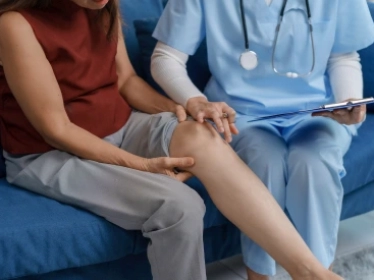
Your doctor will usually begin with a physical examination to assess knee stability and identify signs of ligament or cartilage damage.
Imaging studies may include:
- X-rays to rule out fractures
- MRI scans to evaluate the ACL, meniscus, and surrounding soft tissues
Early diagnosis helps guide the most appropriate treatment plan.
How long does ACL recovery take?
This is one of the most common questions patients ask.
Although recovery varies depending on each individual, a typical timeline is:
| Recovery Stage | Approximate Time |
|---|---|
| Walking comfortably | 2–6 weeks |
| Cycling or gym exercises | 6–12 weeks |
| Light jogging | Around 3–4 months |
| Sport-specific training | 6–9 months |
| Return to competitive sport | Usually 9–12 months or longer |
Recovery isn't simply measured by time.
Strength, balance, knee stability and confidence all need to return before it's safe to resume sport.
Why does recovery take so long?
One of the biggest misconceptions is that surgery alone restores the knee.
In reality, rehabilitation is just as important.
Recovery typically involves:
- Reducing pain and swelling
- Restoring knee movement
- Strengthening the quadriceps and hamstrings
- Improving balance and stability
- Gradually returning to sports-specific activities
Even after an athlete has been medically cleared, playing time is often carefully managed during the early stages of returning to competition.
This helps the knee adapt to the demands of elite sport while reducing the likelihood of another serious injury.
How to prevent ACL Injury?
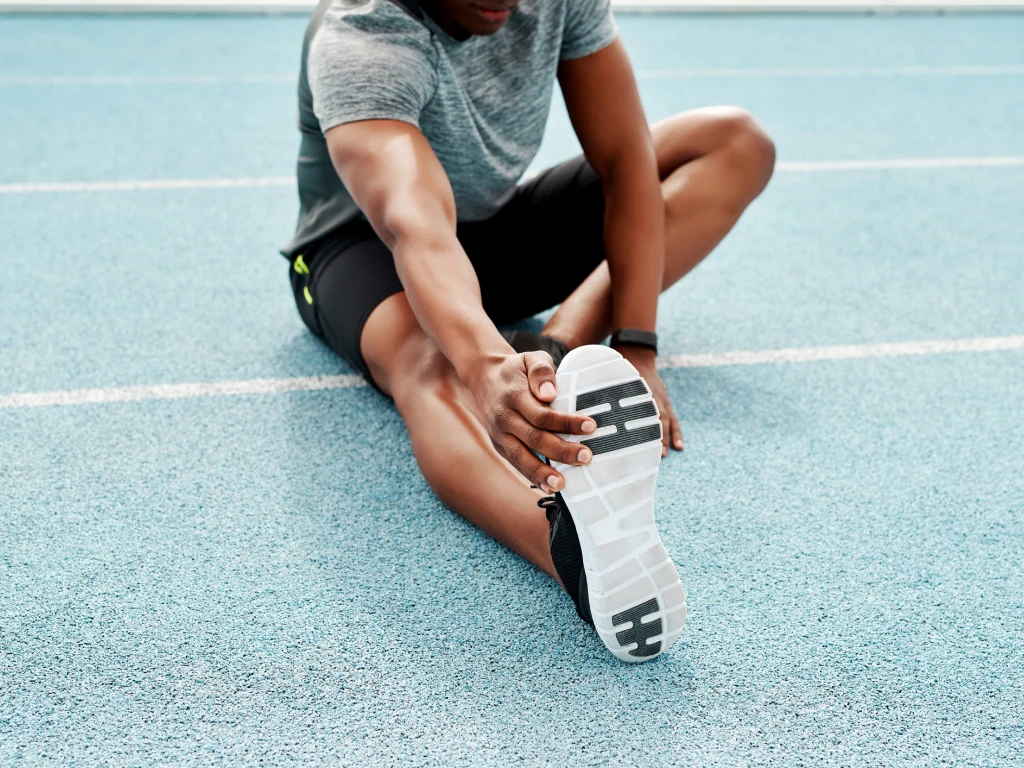
While not all injuries can be avoided, the risk may be reduced by:
- Strengthening the muscles around the knee
- Improving balance and neuromuscular control
- Learning proper landing techniques
- Warming up before exercise
- Wearing appropriate footwear
- Avoiding sudden increases in training intensity
Structured injury prevention programmes have been shown to reduce ACL injuries, particularly in athletes who participate in pivoting sports.
When should you seek medical attention for a knee injury?
Seek medical attention if you experience:
- Sudden knee swelling after a sporting injury
- Difficulty walking
- Knee instability
- Persistent pain
- Locking or inability to fully straighten the knee
- Recurrent episodes where the knee gives way
Early assessment can help prevent further joint damage and improve long-term outcomes.
Protect Your Knees and Return to an Active Lifestyle
Watching Neymar gradually return to football highlights an important lesson: recovering from an ACL injury and meniscus tear is a marathon, not a sprint.
If you've experienced a knee injury during sports or are struggling with persistent knee pain, swelling, instability, or difficulty returning to your usual activities, it's important not to ignore your symptoms. A timely assessment can help identify the cause of your injury and guide the most appropriate treatment plan.
At Island Orthopaedics, we believe orthopaedic care goes beyond treating an injury. Our specialists take the time to understand your lifestyle, movement patterns, and personal goals to create an individualised treatment plan that relieves pain, restores function, and supports your long-term bone and joint health.
Frequently Asked Questions
Can an ACL tear heal on its own?
A complete ACL tear does not typically heal by itself because the ligament has a limited blood supply. While some people can regain good knee function through rehabilitation alone, others, particularly those who participate in sports involving pivoting or sudden changes in direction, may require ACL reconstruction surgery.
How painful is a meniscus tear?
The severity of pain depends on the size and location of the tear. Some people experience mild discomfort, while others may have significant pain, swelling, or a locking sensation that makes it difficult to bend or straighten the knee. Pain often worsens with squatting, twisting, or climbing stairs.
Can you still walk with a torn ACL?
Yes, some people are able to walk after an ACL tear, especially once the initial pain and swelling subside. However, the knee may feel unstable or "give way" during activities that involve turning or pivoting. Continuing to play sports on an injured knee may increase the risk of further damage, including a meniscus tear.
Can you play football after ACL surgery?
Yes. Many recreational and professional athletes successfully return to football after ACL reconstruction. However, returning too soon may increase the risk of re-injury.
Related Doctor

Dr Gowreeson Thevendran
Consultant Orthopaedic & Trauma Surgeon FAMS (Singapore), MBChB(Bristol), Dip.Sports & Exercise Med (UK), FRCS.Ed (Trauma&Ortho )Related Clinic

Island Orthopaedics (Mount Alvernia Hospital)

Island Orthopaedics (Mount Elizabeth Novena)