
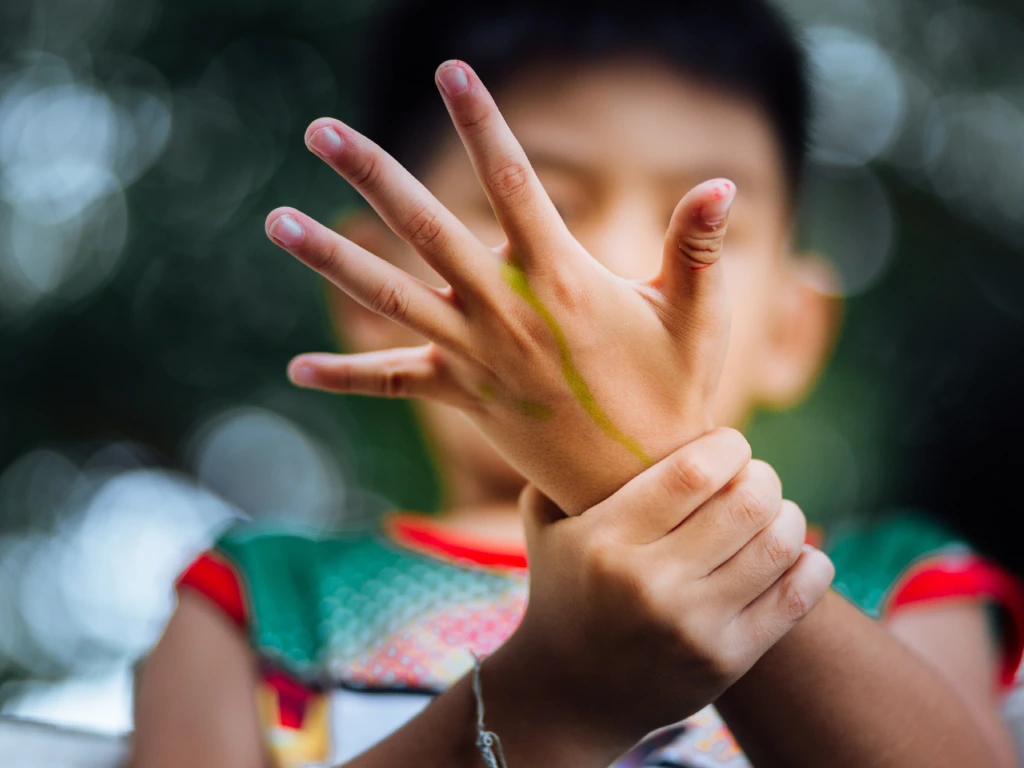
Children are naturally active, and bumps and falls are often part of growing up. Whether it is a fall on the playground, a sports injury or an accident at home, some injuries can result in a fracture of the hand, finger or wrist.
While many heal well with non-surgical treatment, the fact that children’s bones are still growing makes caring for any fractures different from such injuries in adults. Growth plates can affect where a fracture occurs, how the bone heals and whether further treatment is needed.
Some fractures can also be difficult to spot, particularly when an initial X-ray appears normal. Knowing what to look out for and understanding when a hand, finger or wrist injury may need further assessment can help parents seek the right care for their children.
How Common Are Hand and Wrist Fractures in Children?
Hand and wrist fractures are common during childhood and adolescence. They are seen more often in boys and tend to become more frequent during the teenage years.
The location of fractures can also change as children grow. Younger children are more likely to experience injuries involving the fingertips and distal parts of the fingers, often because of crush injuries such as getting a finger caught in a closing door.
As children get older, fractures tend to occur further up the hand. Proximal phalanx fractures are commonly seen around the early teenage years, while metacarpal fractures become more common as children approach skeletal maturity.
The increase in participation in sports and body weight during adolescence may also contribute to the changing pattern of hand and wrist injuries.
How Are Children’s Fractures Different?
One of the most important differences between children and adults is the presence of growth plates, also known as physes.
Growth plates are areas of developing tissue near the ends of growing bones. Because they are more vulnerable than mature bone and surrounding structures, fractures in children can occur through these areas.
At the same time, children have a remarkable ability for their bones to remodel as they grow. This means that certain deformities can gradually improve as the bone develops.
However, not every type of deformity remodels equally well. Correction tends to be most reliable in the direction of normal movement, such as bending and straightening the finger. This is why a child's fingers should be assessed not only for pain and swelling but also for their overall alignment and movement.
Growth plate injuries can occasionally affect future bone growth. Although growth arrest is uncommon after paediatric hand fractures, parents should be informed about possible complications such as shortening, angular deformity or changes to the joint surface.
Common Types of Paediatric Hand and Finger Fractures
Different areas of the hand can be injured depending on a child's age and the mechanism of injury.
1. Fingertip and Nail Bed Injuries
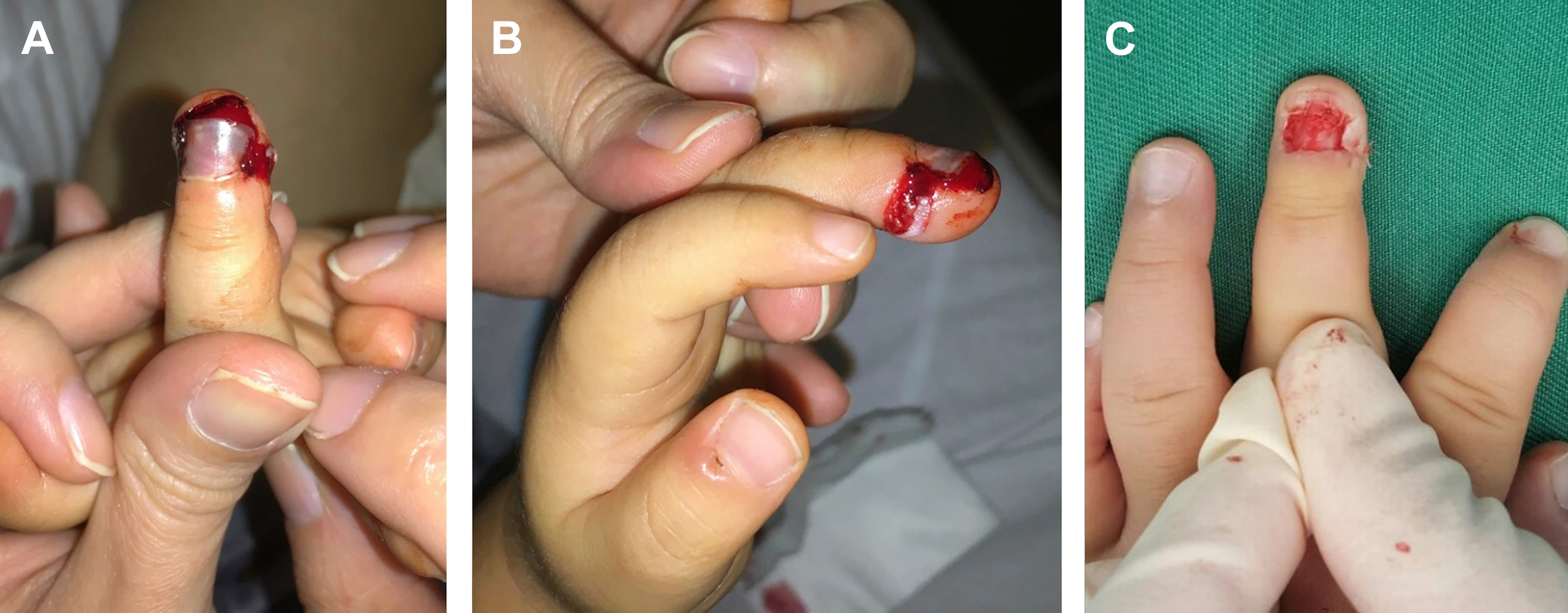
Fingertip fractures, particularly tuft fractures, commonly happen after a crush injury. In young children, one of the most common examples is getting a finger caught in a closing door.
These fractures can occur alongside injuries to the nail bed or fingertip tissue.
If the nail remains intact and firmly attached, many of these injuries can be managed without surgery. However, if the nail plate is disrupted and there is an associated nail bed injury, the child may require treatment to clean and repair the injured tissue.
Parents should therefore have a child's fingertip assessed if there is significant bleeding, nail disruption, swelling or an obvious deformity following a crush injury.
2. Seymour Fractures
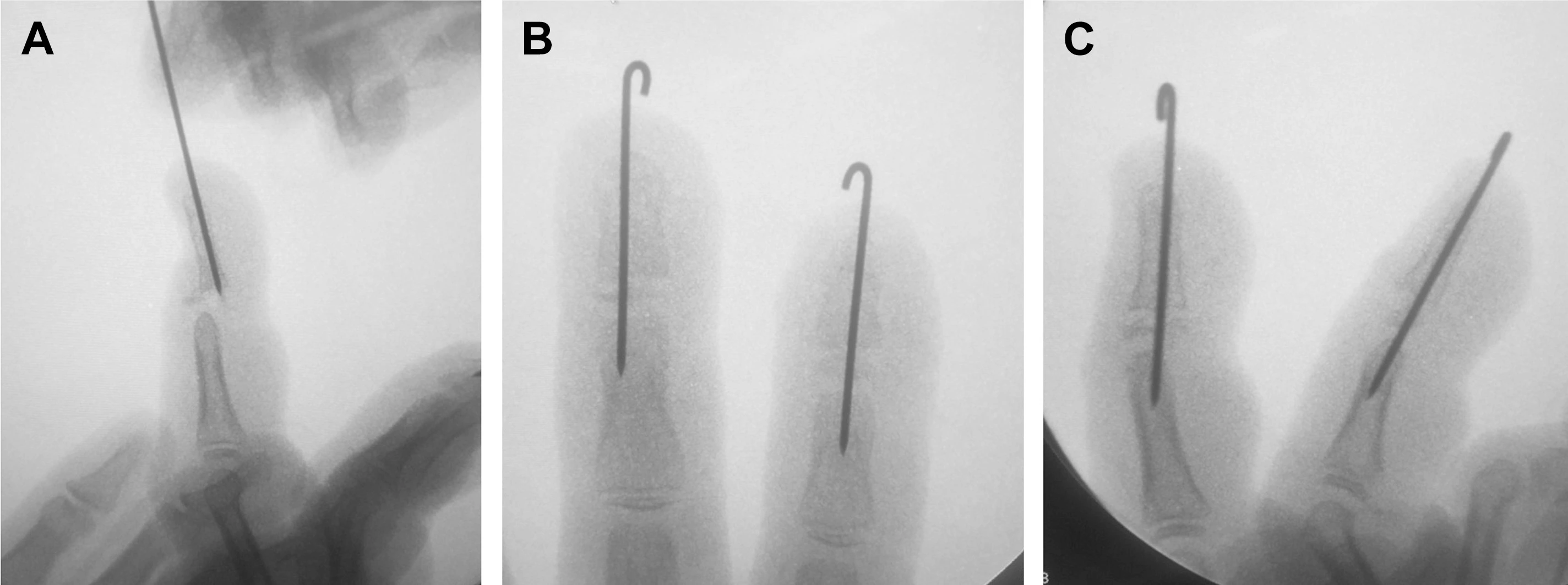
A Seymour fracture is a type of fracture that involves the growth plate near the tip of the finger. It is more commonly seen in younger children and can occur alongside an injury to the nail bed.
These fractures can sometimes be difficult to recognise. The only outward sign may be a subtle lengthening of the nail, which occurs when the nail plate is pushed out of its normal position beneath the nail fold. Sometimes, the displacement of the broken bone causes the fingertip to bend downward - a condition known as a pseudomallet deformity.
A proper assessment should include appropriate X-rays, including a true lateral view of the injured finger. If a Seymour fracture is suspected, it should be managed as an open fracture because of the associated nail bed injury.
Early diagnosis and treatment are important because missed or delayed Seymour fractures can increase the risk of complications, including infection of the bone and nail deformity.
3. Phalangeal Neck Fractures
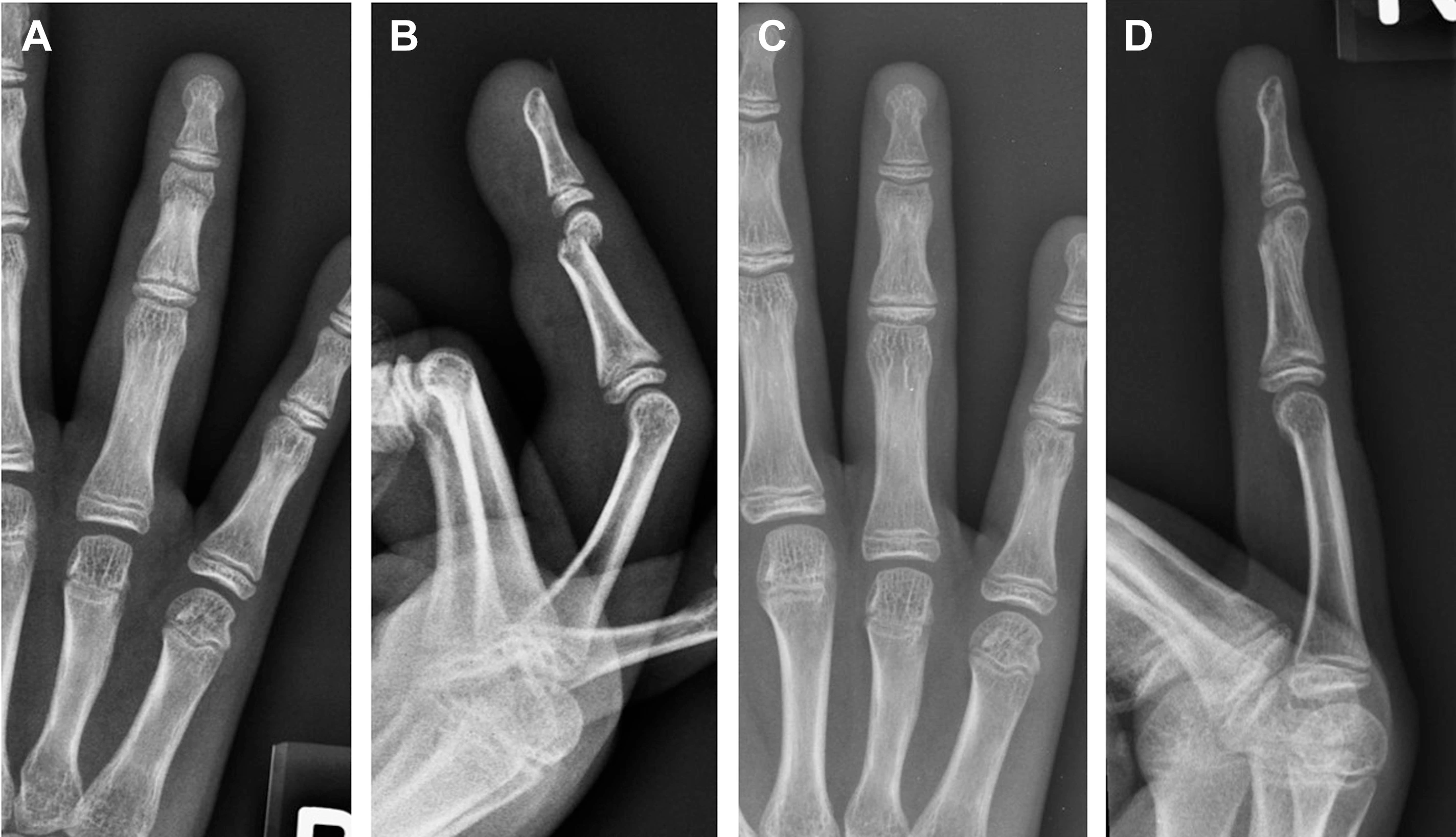
Some phalangeal neck fractures can become displaced or develop an abnormal angle as they heal.
In the past, displaced fractures were often treated with surgery. However, research has shown that some Al-Qattan type II phalangeal neck fractures can heal and remodel well without surgery. As the child’s bones continue to grow, the angulation and position of the fracture may gradually improve.
However, not every phalangeal neck fracture can be managed this way. Type III fractures, where the broken bone ends no longer have contact with each other, tend to have a poorer prognosis. The same applies to fractures associated with vascular problems, partial amputation, significant fragmentation or an additional growth plate fracture.
Even when a fracture initially looks suitable for non-surgical treatment, follow-up is important. Repeat X-rays may be needed because the fracture can shift or become more displaced as it heals.
4. Proximal Phalanx Fractures
Fractures involving the proximal phalanx are among the most common hand fractures in children.
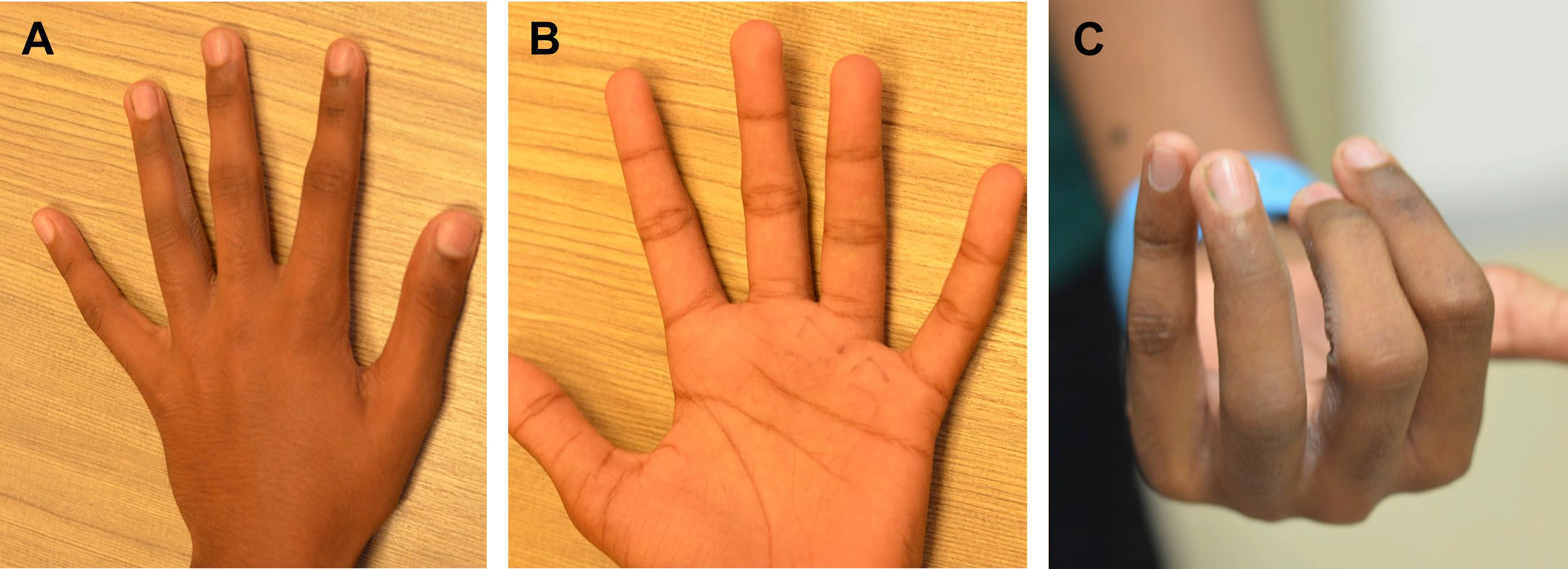
One example is an extraoctave fracture, which commonly affects the little finger after a hyperabduction injury. The finger may develop an unusual, angled appearance.
Because these fractures occur close to the growth plate, children often have a strong capacity for remodelling. Surgery is therefore rarely required.
However, an important complication to look for is malrotation or scissoring. A finger can sometimes appear relatively normal when fully straight but cross or rotate abnormally when the fingers are bent.
What About Wrist Fractures?
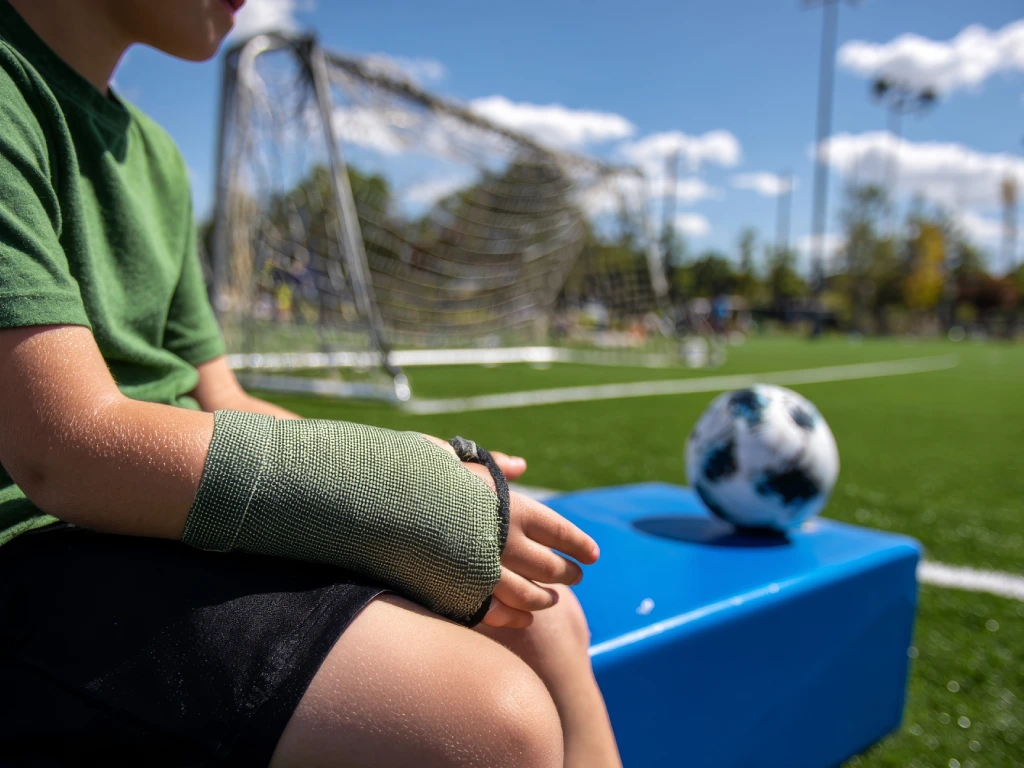
Wrist fractures are also common in children. Symptoms can include pain around the wrist, particularly following a fall, and tenderness around the anatomical snuffbox, the small hollow on the thumb side of the wrist.
One challenge is that the carpal bones are not completely ossified in younger children. As a result, an X-ray may not always clearly show a fracture.
Sports-Related Hand and Wrist Injuries
Sports are an important part of childhood and adolescence, but repeated loading or high-energy impacts can put the hand and wrist at risk of injury. Repeated stress injuries can be particularly easy to overlook because there may not be one specific incident that caused the pain.
1. Wrist Pain in Young Gymnasts
Gymnastics puts repeated stress on the wrist, particularly when athletes regularly put their body weight through their hands. If a young gymnast develops persistent wrist pain, especially pain that gets worse when putting weight on the hand, it may be related to a stress injury involving the growth plate of the distal radius.
Changes may be visible on an X-ray, including widening or irregularity of the growth plate and changes in the nearby bone.
Treatment generally involves removing the stress that caused the injury. This may include a period of rest, splinting and modification or complete cessation of training for several weeks.
2. Finger Injuries in Young Climbers
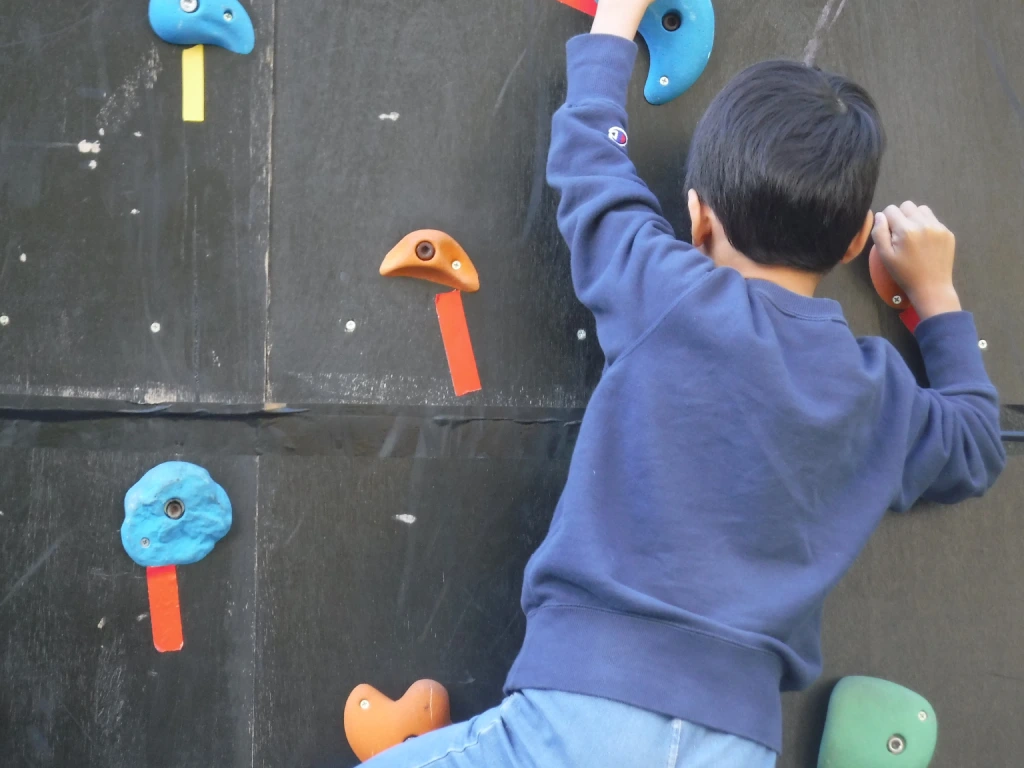
These injuries can occur with repeated gripping, particularly when using the crimp grip, which puts significant stress on the fingers.
When the injury is diagnosed early, acute fractures can often heal well with non-surgical treatment. This usually involves taking a complete break from climbing while the fracture heals, along with gentle finger movement as advised.
However, when these injuries are not recognised early, they can be more difficult to treat. Delayed treatment may also increase the risk of ongoing pain, stiffness and deformity.
3. How Are Paediatric Hand and Wrist Fractures Treated?
Treatment depends on the child's age, the location and type of fracture, the degree of displacement and whether the finger or hand remains properly aligned.
Many paediatric fractures can be managed conservatively, using methods such as:
- Splinting
- Cast immobilisation
- Activity modification
- Rest from sports or training
- Follow-up examinations and repeat X-rays
Children's strong remodelling potential means that some fractures can heal successfully without surgery even when there is a degree of angulation or displacement.
However, surgery may be considered when there is significant displacement, instability, an open fracture, vascular compromise or clinical malrotation and scissoring.
When Should Parents Seek Medical Attention?
After a hand, finger or wrist injury, parents should consider medical assessment if their child has:
- Significant pain or swelling
- An obvious deformity
- Difficulty moving the finger, hand or wrist
- A finger that appears rotated or crosses another finger when bent
- A nail injury following a fingertip crush injury
- Persistent wrist pain despite a normal initial X-ray
- Pain that continues or worsens after returning to sports
- Recurrent pain associated with repetitive sporting activities
Children who participate heavily in sports may also need assessment when pain develops gradually without a single obvious injury.
Take Your Child’s Hand or Wrist Injury Seriously
Most paediatric hand and wrist fractures heal well, especially when they are diagnosed early and treated appropriately. Because children’s bones are still growing, they have a natural ability to heal and remodel. This means that many fractures can be managed successfully without surgery.
It is also important not to ignore ongoing pain simply because the first X-ray does not show a fracture. If your child continues to experience pain or discomfort, further assessment and more detailed imaging may be needed.
If your child has injured their hand, finger or wrist and has persistent pain, visible deformity or difficulty using the affected hand, speak with a doctor for an appropriate assessment and treatment plan.
At Island Orthopaedic Centre, Dr. Janice Liao, Senior Consultant in Hand and Reconstructive Microsurgery, provides expert care for growing hands and wrists. She can assess your child's injury or pain and recommend tailored treatment based on his/her condition. As a mother of two active boys, she understands firsthand the worries parents face when a child gets injured. With clinics at Mount Alvernia Hospital and Gleneagles Hospital and panel coverage with major insurers like Prudential, she is here to help your child heal and get back to what they love!
Related Doctor

Dr Janice Liao Chin-Yi(廖晉儀)
Senior Consultant Hand Surgeon FAMS (Singapore), MBBS (Australia)Related Clinic

Island Orthopaedics (Mount Alvernia Hospital)


Island Orthopaedics (Gleneagles Medical Centre)
Related Articles
Your Hands Work Hard: Common Hand and Wrist Problems to Know
September 01, 2026
From Squats to Court Lunges: How Are Your Knees Coping?
August 20, 2026