
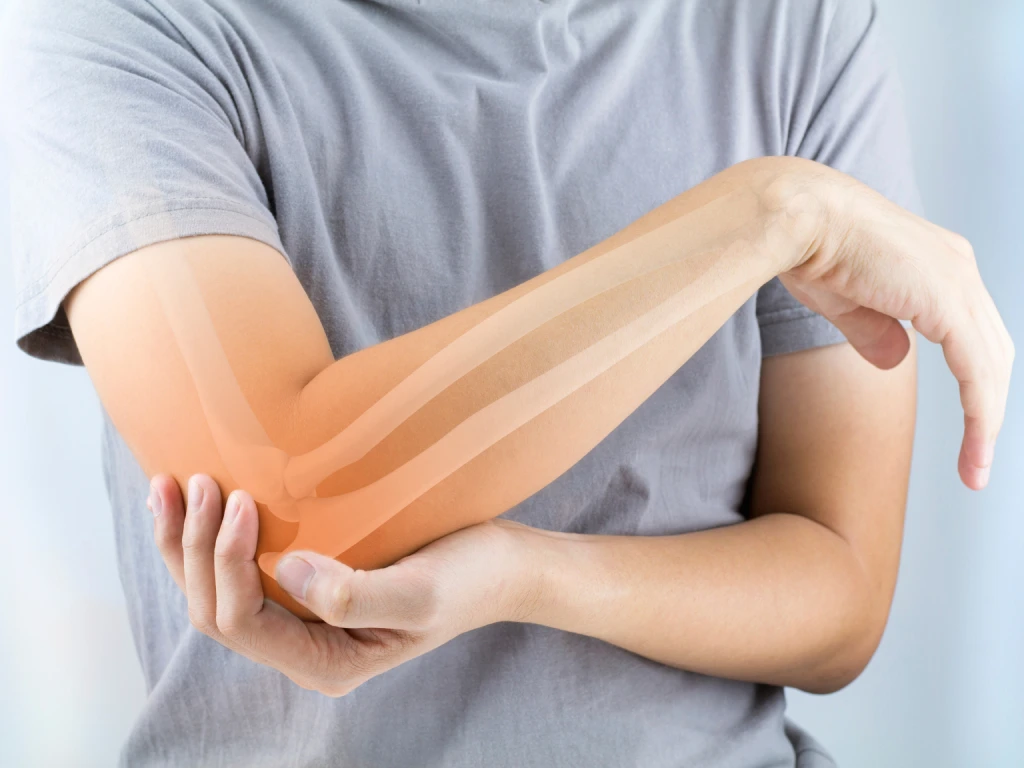
Most men do not think much about bone health until an injury forces them to.
A fall that could once be brushed off harmlessly may now result in a fracture, especially when bones have gradually become weaker with age. Such injuries can significantly impact movement, strength and independence.
The crucial issue here is that bone loss often develops quietly. There may be no noticeable discomfort or obvious warning signs as bone strength declines.
For some men, experiencing a fracture after a relatively minor fall or injury is an indicator that their bones are weaker than expected.
Understanding how bone health changes with age is therefore an important part of protecting mobility and quality of life as you age.
What Is Osteoporosis?
Osteoporosis is a condition where bones become weaker, thinner and more fragile, increasing the risk of fractures.
Healthy bones are constantly renewing themselves. But with age, the body gradually loses bone faster than it can rebuild it. Over time, this leads to a weaker bone structure as bone density is reduced.
To picture it simply, bones are not solid blocks. They have a honeycomb-like structure with tiny spaces inside. When osteoporosis develops, these spaces become larger, making bones more fragile and easier to break.
Although osteoporosis is more commonly associated with women, men can develop osteoporosis too, particularly as they get older.
A man may still feel fit, exercise and go about his daily activities while bone strength silently declines.
Why Bone Loss Often Goes Unnoticed?
Bone loss has few obvious symptoms in its early stages.
This makes it different from many muscle, tendon or joint conditions or injuries, where pain or reduced movement are signals that something is wrong.
When bone density gradually decreases, a person may not feel any different.
In some cases, the first noticeable sign may be:
- A fracture after a minor, low-impact fall or injury.
- Sudden back pain caused by a spinal fracture.
- Loss of height over time.
- Changes in posture, such as becoming more stooped.
Because there may be no early warning signs, it is possible for osteoporosis to progress for years before being detected.
Why Osteoporosis May Be Overlooked in Men
Osteoporosis has traditionally received more attention from women, particularly after menopause.
As a result, many men may not realise that they can also be at risk.
Changes such as reduced strength, physical discomfort, reduced ability to be active or declining mobility may be put down to normal ageing instead of prompting a closer look at one's bone and musculoskeletal health.
However, bone health is closely connected with the rest of the musculoskeletal system. Strong bones provide the foundation for movement. Muscles help generate strength, joints allow movement, and balance helps reduce the risk of falls.
When any part of this system is affected, the impact can extend beyond the original injury.
For example, a fracture may interrupt exercise, limit daily activities and lead to a period of reduced mobility. This can contribute to muscle weakness and make it more difficult to regain previous levels of strength and independence.
“Bone health is an important part of maintaining mobility as we age. A fracture can affect not only the bone itself, but also a person's strength, movement and independence. Understanding your risk factors and addressing bone health early can help men stay active and reduce the risk of avoidable complications.”
- Dr Ooi Lai Hock, Consultant Orthopaedic Surgeon
How Ageing Can Affect Bone Strength and Mobility
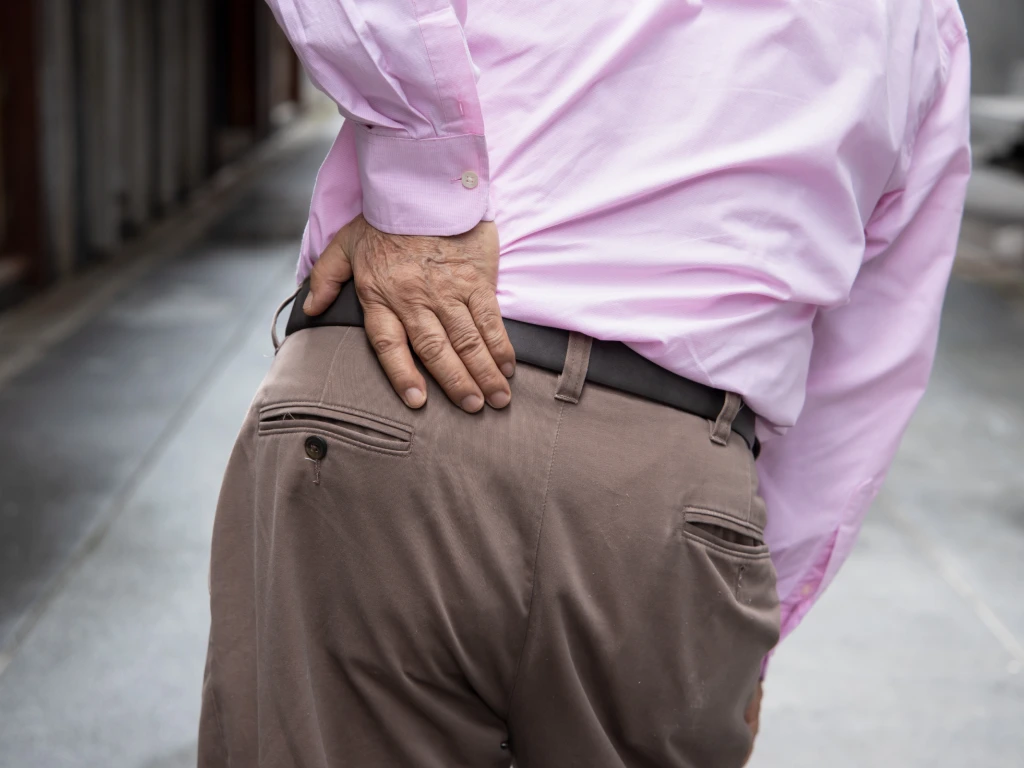
Bone strength naturally changes over time. In one's youth, the body builds strong bones efficiently. However, bone formation can gradually slow down from the age of 30.
For men, several factors can accelerate bone loss:
- Lower testosterone levels with age
- Reduced physical activity
- Loss of muscle mass
- Poor nutrition
- Low calcium and vitamin D intake
- Chronic medical conditions
- Certain medications
Over time, these factors can weaken bones without causing noticeable symptoms.
This is why maintaining good bone health becomes increasingly important with age.
Why an Unexpected Fracture Deserves Attention
Not every fracture means that a person has osteoporosis.
Fractures can occur in healthy bones when the angle and force of an impact are high enough to fracture the bone.
However, a fracture that happens after relatively minor trauma may sometimes suggest that the bone is weaker than expected.
Examples may include breaking a bone after:
- A fall from standing height
- A minor trip or slip
- An injury that would not usually be expected to cause a fracture
These are sometimes referred to as fragility fractures.
When this happens, treating the fracture itself is important, but it may also be worth asking how the fracture occurred.
A doctor may consider whether further assessment for osteoporosis or other factors affecting bone strength is appropriate.
How Bone Density Is Checked
A bone mineral density test may be recommended when osteoporosis or low bone mass is suspected. This is commonly performed using a DEXA or DXA scan.
The scan is non-invasive and is usually used to measure bone density at areas such as the hip and spine.
The results can help doctors assess bone strength and fracture risk, and determine whether further investigation, lifestyle changes or treatment may be appropriate.
Whether a bone density test is recommended depends on factors such as:
- Age
- Previous fractures
- Family history
- Medical conditions
- Medication use
- Other individual risk factors
If you have experienced a fracture after a relatively minor injury, consider discussing with your doctor whether an assessment of your bone health may be appropriate.
Why a Fracture Can Affect More Than the Bone
For an active person, the impact of a fracture often goes beyond the injured bone.
Depending on where the fracture occurs, it may affect walking, exercise, work and everyday activities.
- A hip fracture, for example, can have a significant effect on mobility and may require surgery, followed by rehabilitation.
- Spinal fractures may cause back pain, reduced height or changes in posture.
- Fractures involving the shoulder, wrist or ankles may also interfere with daily tasks and physical activity.
Recovery can become more challenging when an injury results in an extended period of reduced activity.
Muscles can lose strength when they are not used regularly, while reduced mobility can also affect balance and confidence in movement.
For older adults, especially, regaining previous levels of strength and independence after a fracture may take time.
This is why bone health is closely connected with maintaining overall musculoskeletal function.
Protecting Your Bones Can Help Protect Your Mobility
Looking after your bones does not mean becoming less active.
In fact, regular physical activity is an important part of maintaining both bone and muscle health.
Depending on a person's health and fitness level, activities that may support musculoskeletal health include:
- Weight-bearing exercise such as walking
- Resistance or strength training
- Exercises that improve balance
- Regular movement to maintain flexibility and physical function
Nutrition is important too. Adequate calcium and vitamin D support normal bone health, while a balanced diet helps provide the nutrients needed for muscle building and overall physical health.
Men who already have osteoporosis, previous fractures, joint problems or difficulty with movement may need their exercise programme adjusted according to their individual condition.
The aim is not simply to avoid injury.
It is to maintain the strength, balance and movement needed to continue working, exercising and doing the activities you enjoy.
When to Speak to a Doctor
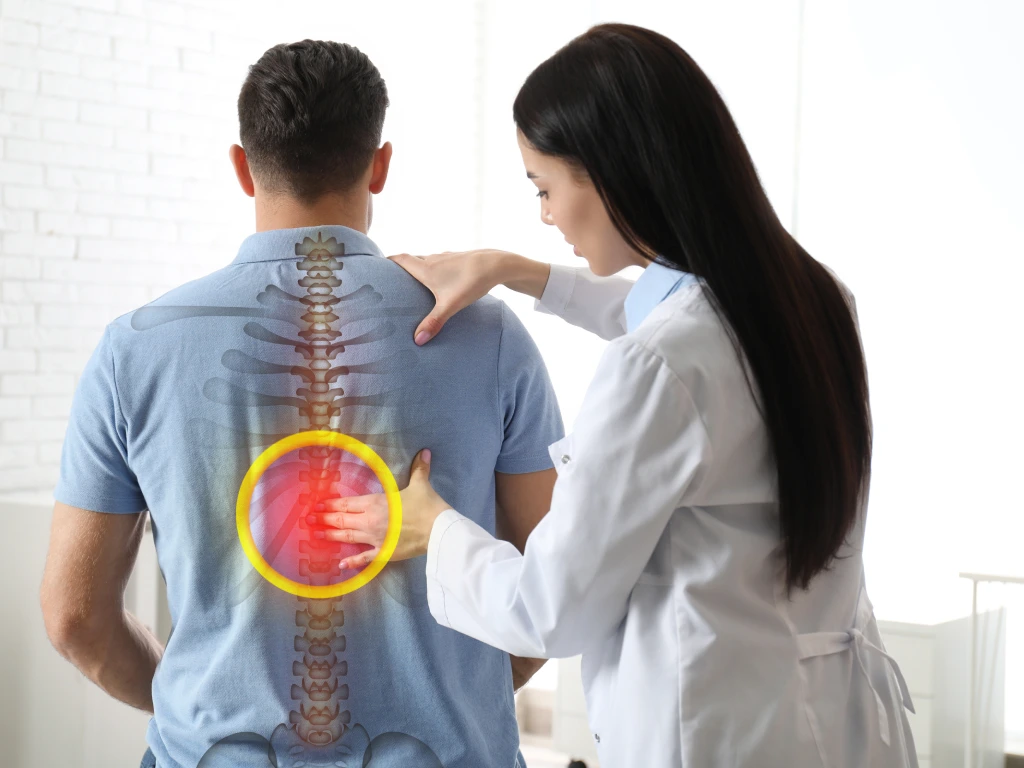
It is important to consider a bone health check if you:
- Have had a fracture after a minor fall.
- Notice loss of height or posture changes.
- Have long-term medical conditions linked to bone loss.
- Take long-term steroid medication.
- Have a family history of osteoporosis.
- Are concerned about ageing and bone health.
Early assessment can help identify low bone mass before serious complications occur.
Bone Loss Can Be Silent. The Impact of a Fracture Is Not.
Osteoporosis does not usually develop overnight. Bone strength can decline gradually over many years without causing obvious symptoms.
For some men, the first sign that something has changed is an unexpected fracture.
By then, the effect may extend beyond the bone itself, affecting exercise, movement, strength and independence.
Paying attention to bone health is therefore not only about preventing osteoporosis. It is also about preserving the musculoskeletal function that helps you remain active as you age.
If you have experienced an unexpected fracture, persistent musculoskeletal symptoms or changes in your mobility, speak with a doctor about whether further assessment may be appropriate.
At Island Orthopaedics Singapore, our orthopaedic specialists can assess conditions affecting the bones, joints, muscles and other parts of the musculoskeletal system, helping patients manage injuries and maintain movement and function.
Related Doctor

Dr Ooi Lai Hock
Consultant Orthopaedic Surgeon and Medical Director MMed (Singapore) (Orthopaedics), MRCS (Edinburgh), MBBS (London), FRCS (Orthopaedics) (Edinburgh)Related Clinic

Island Orthopaedics (Mount Alvernia Hospital)

Island Orthopaedics (Mount Elizabeth Novena)

Island Orthopaedics (Mount Elizabeth Hospital)
Related Articles

Hand and Wrist Fractures in Children: What Parents Should Know
October 23, 2026
Your Hands Work Hard: Common Hand and Wrist Problems to Know
September 01, 2026